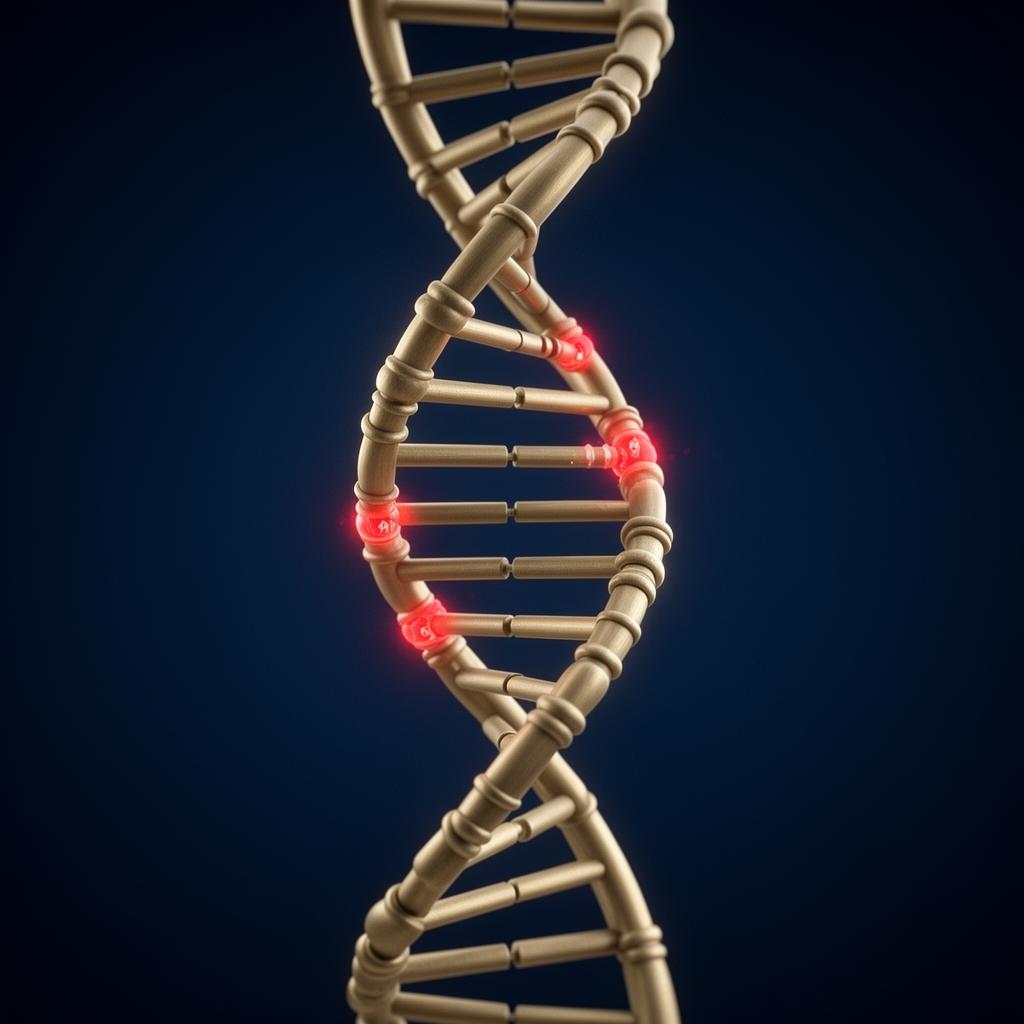
The 27-Gene Panel
Genes we analyze and why they matter
Each gene below influences how your body activates, breaks down, or reacts to specific medications.
ABCG2
Transporter affecting rosuvastatin and allopurinol exposure and response.
BCHE
Butyrylcholinesterase — prolonged apnea risk with succinylcholine and mivacurium.
CACNA1S
Malignant hyperthermia susceptibility with volatile anesthetics.
CFTR
Ivacaftor and modulator response in cystic fibrosis.
CYP2B6
Efavirenz, bupropion, methadone metabolism.
CYP2C cluster
Combined haplotype context for the CYP2C gene region.
CYP2C19
Activates clopidogrel; metabolizes PPIs, SSRIs, voriconazole.
CYP2C9
Warfarin, NSAIDs, phenytoin metabolism.
CYP2D6
Metabolizes ~25% of all prescription drugs (antidepressants, opioids, antipsychotics, tamoxifen).
CYP3A4
Largest drug-metabolizing enzyme; statins, immunosuppressants.
CYP3A5
Tacrolimus dosing in transplant patients.
CYP4F2
Vitamin K recycling — warfarin dosing.
DPYD
Fluoropyrimidine (5-FU, capecitabine) toxicity risk.
FII
Prothrombin (Factor II) — thrombosis risk relevant to anticoagulation.
FV
Factor V Leiden — thrombosis risk relevant to anticoagulation and hormonal therapy.
G6PD
Hemolytic anemia risk with primaquine, dapsone, rasburicase.
HLA-A
Carbamazepine hypersensitivity (HLA-A*31:01).
HLA-B
Severe hypersensitivity to abacavir, carbamazepine, allopurinol.
IFNL3/4
Response to pegylated interferon for hepatitis C.
MT-RNR1
Aminoglycoside-induced hearing loss.
NAT2
Isoniazid, sulfonamide metabolism.
NUDT15
Thiopurine toxicity, especially in Asian populations.
RYR1
Malignant hyperthermia with volatile anesthetics.
SLCO1B1
Statin-induced myopathy risk.
TPMT
Thiopurine (azathioprine, mercaptopurine) toxicity risk.
UGT1A1
Irinotecan, atazanavir — Gilbert syndrome.
VKORC1
Warfarin sensitivity.